
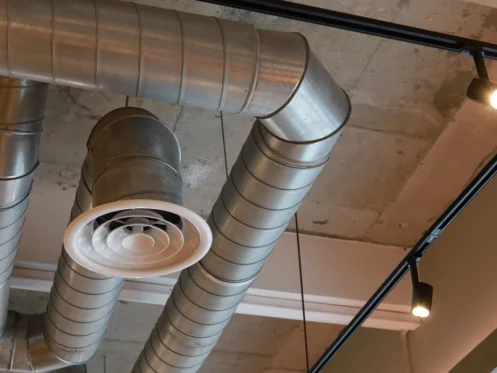
If you’re planning a renovation, building new, or dealing with an aging duct system, understanding the cost to install HVAC ductwork is an important first step. Ductwork is the backbone of your home’s heating and cooling system – and getting it right makes a real difference in comfort, energy efficiency, and air quality throughout your home.
At Hammer’s Heating and Cooling, we work with homeowners across Maple Ridge, Pitt Meadows, Langley, and the greater Fraser Valley to plan and install ductwork systems that are properly sized and sealed from the start.
Here’s what you need to know before budgeting for your project.
What Affects the Cost to Install HVAC Ductwork?
There’s no single answer to what ductwork installation will cost, because every home is different. Several variables can push the price up or down significantly.
Home size
The larger your home, the more ductwork you’ll need. More materials and more labour hours naturally means a higher total cost. A small bungalow and a two-storey home of 2,500 square feet will have very different ductwork requirements.
New construction vs. existing home
Installing ductwork during a new build – where walls are open and accessible – is typically more straightforward than retrofitting ducts into a finished home. Retrofit projects often involve working in tight spaces, cutting through drywall, and routing ducts around existing structures, which adds time and cost.
Type of ductwork
There are a few common types used in residential HVAC systems:
- Sheet metal (rigid ductwork): Durable and long-lasting, but typically more expensive due to material and labour costs.
- Flexible ductwork: More affordable and easier to route through tight spaces, though it needs to be installed carefully to avoid airflow restrictions.
- Fiberboard ductwork: An insulated option, though less common in newer installations.
Each material has trade-offs in cost, performance, and longevity. A qualified technician can help you understand which option suits your home best.
Scope of the project
Are you replacing a full duct system or extending existing ductwork to a new addition? A complete replacement involves significantly more labour and materials than adding a branch or two. The scope of your project is one of the biggest cost drivers.
Access and layout
Homes with crawl spaces, multiple storeys, or complex floor plans take longer to work in. Difficult access increases labour costs, while homes with open, straightforward layouts are generally less expensive to duct.
Typical Cost Ranges
In Canada, the cost to install HVAC ductwork for a full residential system generally ranges from around $3,000 to $10,000 or more, depending on the factors above. Larger or more complex homes can exceed this range.
For partial installations – such as adding ductwork for a new room or extending an existing system – costs are typically lower, often falling in the $500 to $2,000 range depending on the complexity involved.
These are general estimates. The best way to get an accurate number for your specific home is to have a technician assess your space in person and provide a detailed quote.
It’s also worth noting that quality installation pays off over time. According to the U.S. Department of Energy, typical homes lose around 20 to 30 percent of their conditioned air through leaky or poorly connected ducts – meaning a properly sealed system can lead to meaningful savings on your energy bills every month.
New Construction vs. Retrofitting: Understanding the Cost Difference
This distinction matters quite a bit when budgeting for a ductwork project.
New construction offers the most flexibility. Because walls and ceilings are open during the build, installers can run ducts exactly where they’re needed without workarounds. This generally means lower labour costs and a cleaner final result.
Retrofitting ductwork into an existing home is a more involved process. Technicians need to work around finished walls, existing insulation, plumbing runs, and electrical systems. In some cases, drywall needs to be opened and repaired after the work is done. All of this adds time and cost – but it’s entirely manageable with an experienced team and solid planning.
If you’re adding central heating and cooling to an older home or replacing a deteriorating system, working with a knowledgeable installer makes a real difference in the quality and efficiency of the final result.
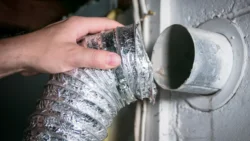
Signs You May Need New Ductwork
Not sure whether your existing ducts need to be replaced? Here are some common indicators:
- Uneven heating or cooling from room to room
- Energy bills that are higher than expected without a clear cause
- Rooms that never quite reach the right temperature
- Visible damage, disconnected sections, or excessive dust around vents
- A duct system that is more than 15 to 20 years old
Older or poorly sealed ductwork can account for significant energy loss and cause your HVAC equipment to work much harder than it should. This raises operating costs and shortens the lifespan of your heating and cooling system over time.
Is New Ductwork Worth the Investment?
In most cases, yes. Properly installed ductwork is a long-term investment in your home’s comfort and efficiency. A well-designed system delivers conditioned air evenly, reduces strain on your HVAC equipment, and keeps energy costs in check year-round.
On the other hand, cutting corners on ductwork – whether through improper sizing, poor sealing, or lower-quality materials – tends to create problems that are more expensive to fix later. Getting it done right the first time is almost always the better financial decision.
For homeowners in the Fraser Valley considering a full duct system installation or upgrade, exploring ductwork installation options with a local, experienced team is a smart place to start.
Getting a Clear Picture of Your Project
The cost to install HVAC ductwork varies too much from home to home to rely on a general number alone. Home size, layout, materials, and project scope all play a role – and an accurate quote requires a proper assessment of your space.
At Hammer’s Heating and Cooling, we serve homeowners across Maple Ridge, Pitt Meadows, Langley, Abbotsford, Mission, and the surrounding Fraser Valley. If you’re planning a ductwork project and want honest, straightforward advice on what it will involve for your home, reach out to our team for a free estimate. We’re happy to walk you through your options and help you feel confident before any work begins.
Frequently Asked Questions
How much does it cost to install HVAC ductwork in a typical home?
For a full residential duct system, costs generally range from $3,000 to $10,000 or more, depending on home size, layout, material choices, and project scope. Partial installations or extensions are typically less expensive. A professional on-site assessment is the most reliable way to get an accurate figure for your home.
Is retrofitting ductwork into an existing home more expensive than installing it in a new build?
Generally, yes. Retrofitting involves working around finished walls, flooring, and existing systems, which takes more time and labour. New construction allows for easier access and a more straightforward installation process.
How long does residential HVAC ductwork last?
Well-installed ductwork can last between 15 and 25 years with proper care. The quality of materials and installation plays a significant role in longevity. Poorly sealed or damaged ducts may need attention well before that window.
What type of ductwork is most cost-effective?
Flexible ductwork tends to have a lower upfront cost and is easier to install in tight spaces. Sheet metal is more durable over the long term but comes at a higher initial price. The right choice depends on your home’s layout and your priorities. A qualified technician can help you weigh the options.
Does new ductwork improve energy efficiency?
Yes. Properly sized and sealed ductwork reduces energy loss and allows your HVAC system to operate more efficiently. Homes with leaky or deteriorating ducts can lose a significant portion of conditioned air before it ever reaches the living space, which shows up directly on your energy bills.