
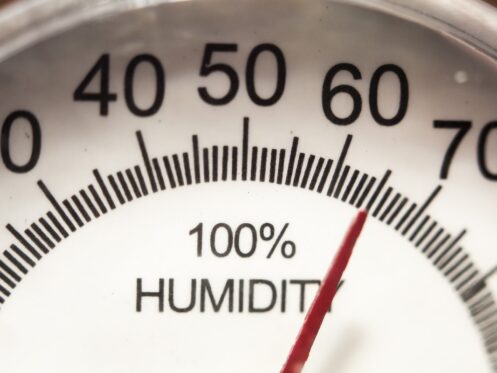
In Pitt Meadows, BC, we experience our fair share of damp, rainy weather. While most homeowners focus on temperature, indoor humidity plays just as important a role in how comfortable your home feels. Even if your thermostat reads the perfect setting, excess moisture in the air can leave you feeling clammy, chilled, or uncomfortable.
Understanding how humidity impacts your home and how your HVAC system responds can make a noticeable difference in year-round comfort.
Why Humidity Matters More Than You Think
Humidity refers to the amount of moisture in the air. In coastal British Columbia, outdoor humidity levels often remain high for much of the year. When that moisture makes its way indoors, it can affect both comfort and air quality.
High indoor humidity can cause:
- A sticky or damp feeling, even at moderate temperatures
- Condensation on windows and surfaces
- Musty odours
- Increased strain on your HVAC system
On the other hand, indoor air that becomes too dry during colder months can lead to dry skin, irritated sinuses, and static electricity. Maintaining balanced humidity is key to a comfortable home environment.
How Humidity Impacts Perceived Temperature
Humidity directly affects how warm or cool your home feels. When moisture levels are high, sweat does not evaporate as efficiently from your skin. This makes the air feel warmer than it actually is. As a result, you may lower the thermostat to compensate, increasing energy use.
In cooler months, excess humidity can also make indoor spaces feel colder. Damp air draws heat away from your body more quickly, creating discomfort even if your heating system is running.
A properly functioning HVAC system helps regulate both temperature and moisture, creating a more balanced indoor climate and improving indoor air quality.
The Role of Your HVAC System in Humidity Control
Your HVAC system does more than heat and cool the air. It also plays a significant role in managing indoor humidity levels.
During the cooling season, your HVAC unit removes moisture from the air as it cycles. However, if the system is oversized or not operating efficiently, it may cool the space too quickly without removing sufficient humidity.
In the heating season, dry indoor air can become an issue. Adding a whole-home humidifier to your HVAC system can help maintain healthier moisture levels throughout the winter months.
Regular heater and AC maintenance allows us to confirm that your HVAC system is properly sized, calibrated, and operating effectively to manage both temperature and humidity.
Signs Your HVAC System May Be Struggling
If humidity levels are not well controlled, your HVAC unit may need attention.
Look out for the signs that humidity is out of balance:
- Persistent condensation on windows
- Uneven temperatures between rooms
- Musty smells when the system runs
- Higher than expected utility bills
Addressing these concerns early helps protect your comfort and your home.
In Pitt Meadows, BC, Hammer's Heating and Cooling provides professional HVAC system maintenance, repair, and upgrades designed to improve both temperature control and indoor humidity balance. If your home feels damp, dry, or uncomfortable, contact Hammer's Heating and Cooling today to schedule a service appointment and experience more consistent comfort year-round.