
When homeowners call us – like Darrell did recently – the question usually comes down to one thing: “Should I replace my hot water tank with another tank, or switch to a tankless system?” It’s an important decision, but it doesn’t need to be complicated. Here’s a simple, clear breakdown to help you choose the right option for your home.
 Upfront Cost vs. Long-Term Value
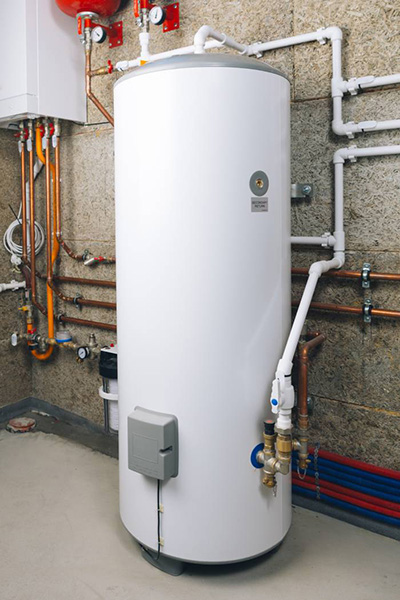
Standard hot water tanks are the most affordable and straightforward option to install. If your home already has a tank, you may be considering replacing it. It is quick, easy, and cost-effective.
Tankless systems cost more upfront, but they offer significant long-term value. A traditional tank runs at about 63% efficiency, losing energy as it keeps water hot 24/7. Tankless systems operate at 95%+ efficiency, heating water only when you need it and drastically reducing wasted energy. If you plan to stay in your home long-term, tankless often delivers better overall value.
How Much Hot Water Your Household Uses
Tanks store a fixed amount of hot water, which works well for average households with predictable usage. If your showers, laundry, and dishes rarely happen at the same time, a tank will generally keep up without issue.
Tankless water heaters create hot water on demand, meaning you never run out. This is ideal for larger families, homes with teenagers, or anyone used to running out of hot water at peak times. If you’ve ever had back-to-back showers turn cold, a tankless system solves that instantly. Or if you are like me — I added a hot water outdoor faucet in front of my house to wash my car with hot water. So the money I save on efficiency is spent on washing my car… Oh well!
 Space and Installation
Standard tanks require floor space and clearance. If your home has room and you want the simplest change-out, sticking with a tank is perfectly fine.
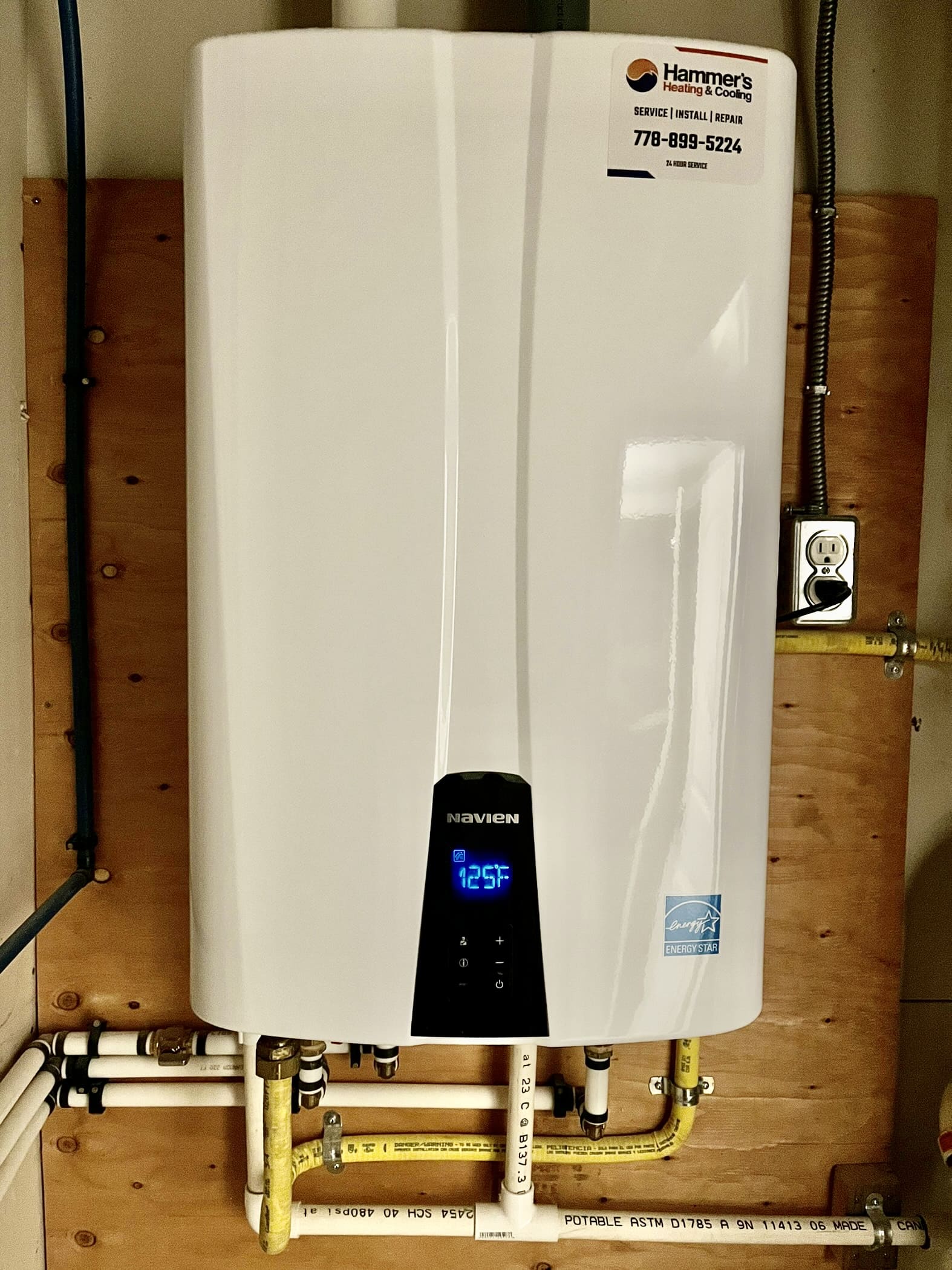
Tankless systems are compact and wall-mounted, freeing up space and creating a cleaner mechanical room. They may require upgrades to venting or gas lines, but homeowners often appreciate the space savings and modern layout.
Lifespan and Maintenance
A traditional tank water heater typically lasts around 10 years. They require very little maintenance, but once they reach the end of their lifespan, replacement is usually straightforward.
Tankless systems generally last 15–20 years, and sometimes even longer with proper maintenance. They do require occasional descaling to protect the heat exchanger, but the extended lifespan and higher efficiency often outweigh the extra maintenance for many homeowners.
Everyday Convenience
Tanks deliver hot water quickly since it’s already pre-heated. This makes them simple and familiar for most households.
Tankless systems may take a moment longer to deliver hot water depending on distance, but once the hot water reaches the tap, it’s endless — excellent for busy families, long showers, or frequent guests.
So Which Option Is Right for You?
If you want the lowest upfront cost and a quick, simple replacement, a tank is the right choice.
If you want long-term efficiency, space savings, and unlimited hot water, with a lifespan of 15–20 years, a tankless system is worth serious consideration.
Just like our call with Darrell, we’re here to give honest advice so you can choose what’s best for your home, budget, and lifestyle.